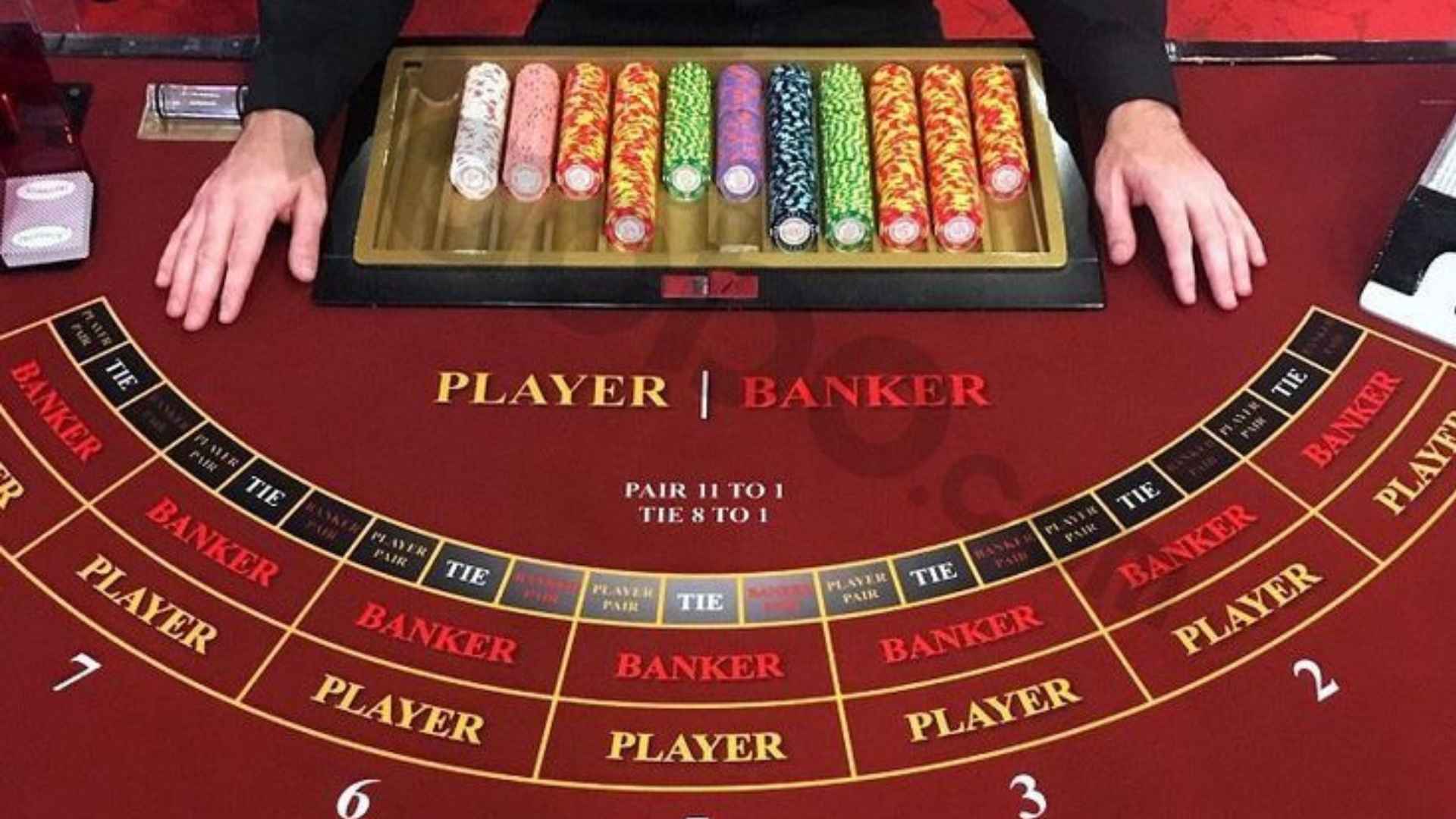
Tabletop challenges have long served as more than mere entertainment, offering structured spaces where players can develop critical cognitive and emotional skills. Engaging regularly in these structured activities fosters a healthy drive to succeed while refining one's approach to pressure and sportsmanship. By participating in these games, individuals naturally cultivate a disciplined mindset that values perseverance, strategic foresight, and continuous self-improvement.
The Role of Strategic Planning under Pressure
High-stakes board games require players to map out multiple moves in advance while keeping a close eye on their opponents' evolving tactics. This constant need for anticipation trains the brain to remain calm and analytical even when facing unexpected setbacks. Over time, this mental discipline translates into a consistent habit of looking ahead and evaluating risks before making critical decisions.
Furthermore, learning to adapt to a changing board state teaches players that initial plans must remain flexible to achieve long-term success. This flexibility prevents frustration and encourages a healthy competitive drive centered on problem-solving rather than pure luck. Developing this level of adaptability is essential for anyone looking to maintain a steady edge in both gaming and real-world scenarios.
Cultivating Emotional Resilience and Sportsmanship
In any competitive arena, learning how to handle defeat gracefully is just as crucial as securing a victory. Tabletop games provide a safe environment to experience failure, allowing participants to analyze their mistakes without facing severe real-world consequences. This process builds emotional resilience, helping players view losses as valuable learning opportunities rather than personal shortcomings.
By treating each round as a stepping stone toward improvement, players learn to appreciate the skill of their opponents. This perspective fosters mutual respect and healthy communication around the table, ensuring that the competitive spirit remains constructive. Over time, this habit of constructive reflection helps individuals maintain their composure under pressure in all areas of life.
Sharpening Decision Making and Risk Assessment
Many classic games require players to balance aggressive moves with defensive play, forcing them to calculate probabilities on the fly. This ongoing evaluation of risk and reward helps individuals understand the difference between reckless gambling and calculated strategy. Making these choices repeatedly sharpens intuitive decision-making skills and builds confidence in one's own judgment.
Modern players often look for digital alternatives to practice these strategic assessments on the go. For those interested in testing their strategic limits on a flexible platform, accessing m88.com mobile offers a convenient way to engage in various analytical challenges. Taking advantage of these modern tools allows enthusiasts to keep their minds sharp and maintain their competitive edge from anywhere.
Fostering Accountability and Self Discipline
Unlike team sports where responsibilities can sometimes feel diluted, individual table games place the sole outcome on a single player's shoulders. This direct correlation between personal choices and the final result teaches participants to take full ownership of their actions. Experiencing the immediate consequences of a miscalculation encourages a high level of personal accountability.
Ultimately, the habits built around the gaming table lay the foundation for a highly disciplined lifestyle. By committing to mastering complex rules and studying advanced strategies, players learn the value of consistent effort and focused study. This dedication to self-improvement is the true hallmark of a strong, healthy competitive spirit.