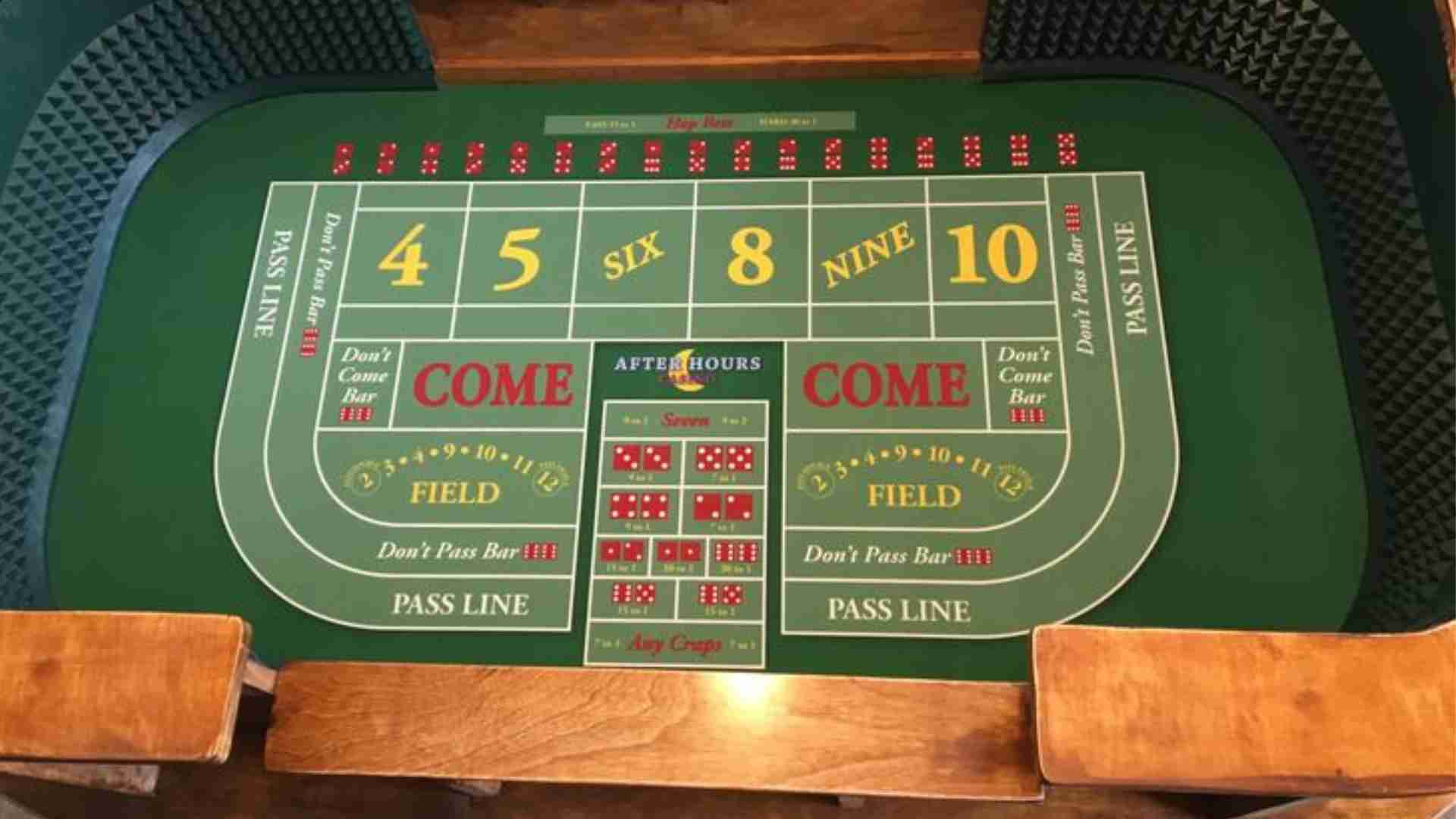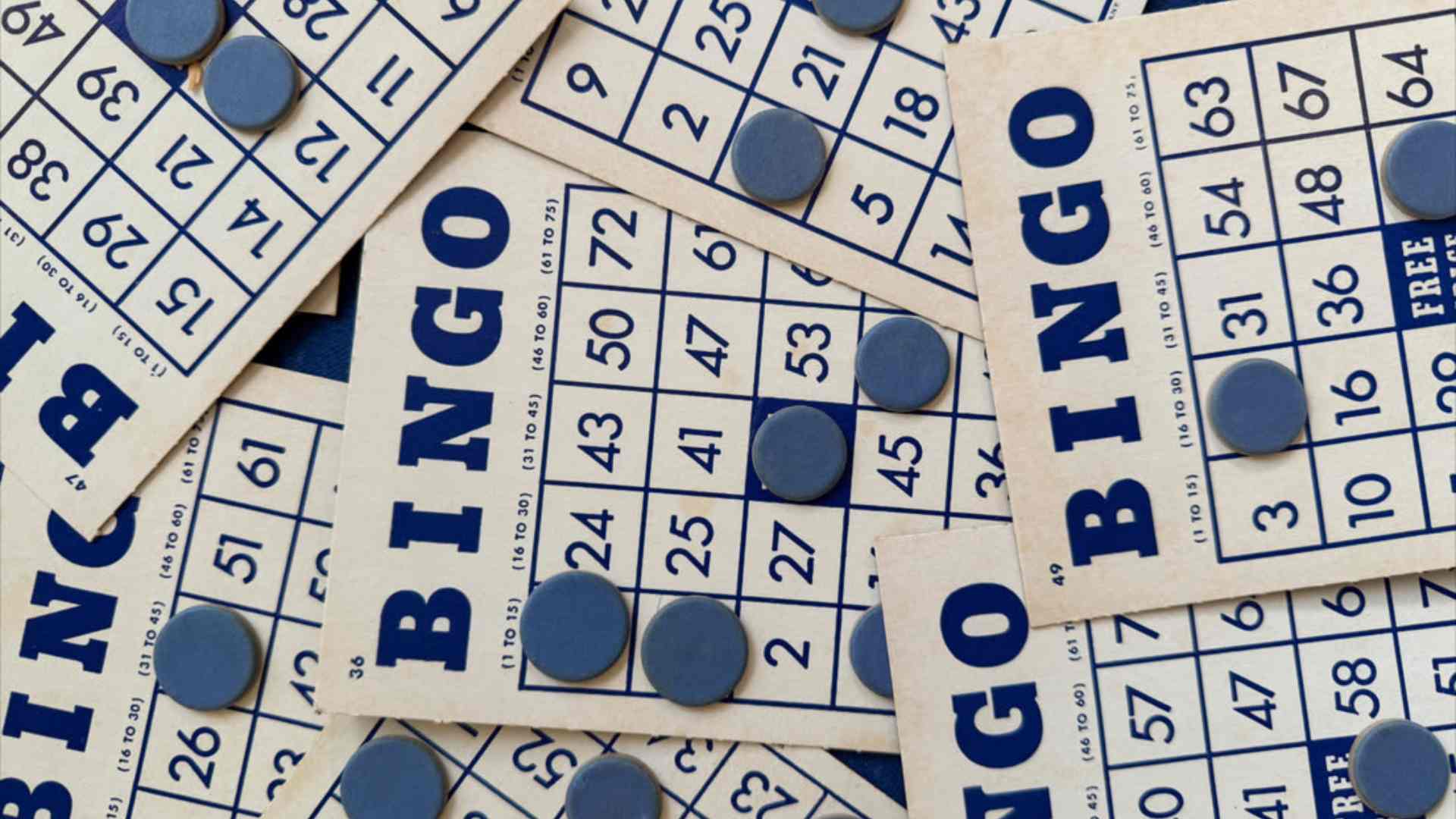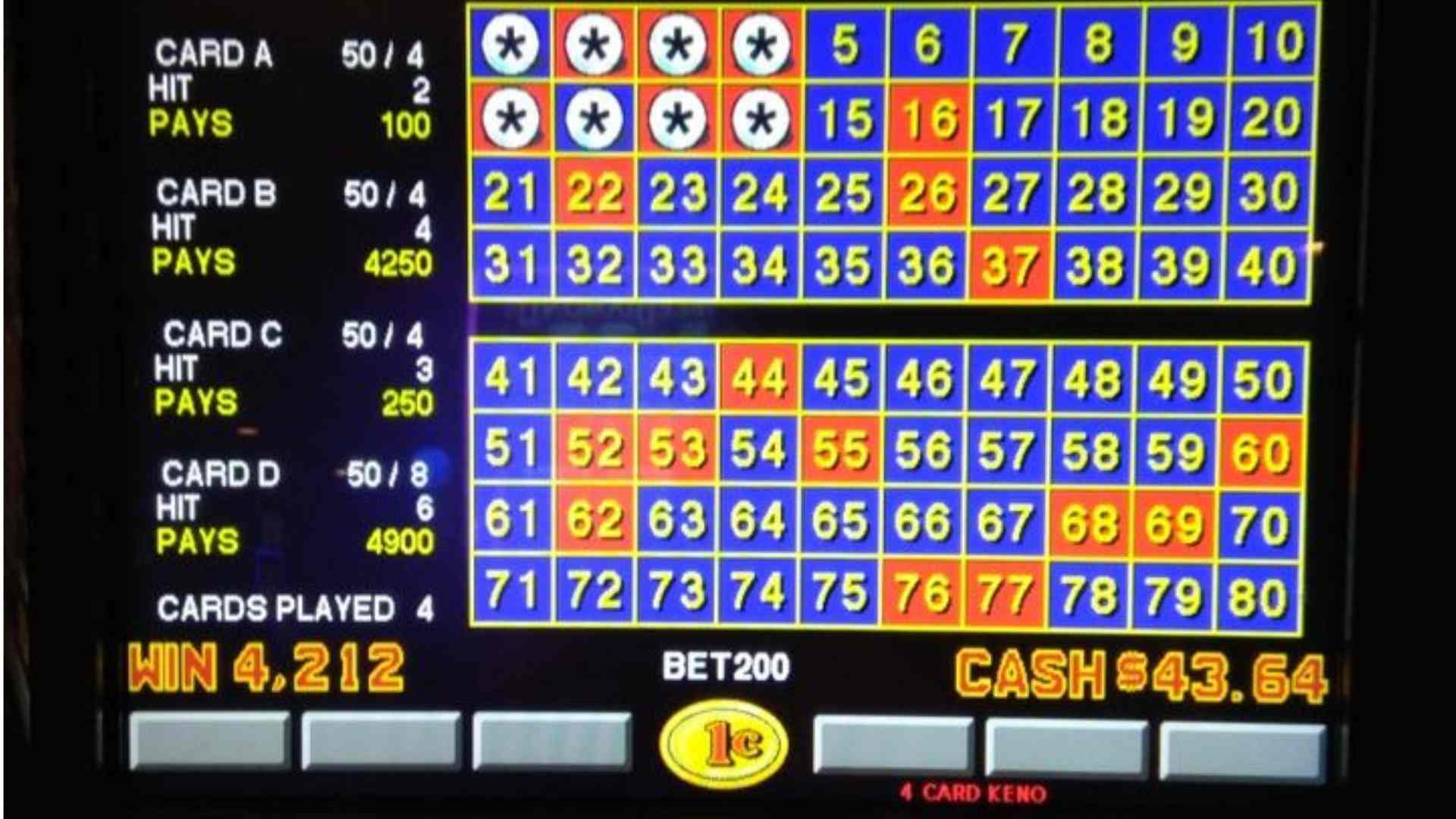
Long before modern screens and automated systems redefined leisure activities, traditional tabletop games served as the primary foundation for community gathering and interpersonal connection. These physical pastimes required individuals to sit face to face, creating shared spaces where communication and social etiquette were just as important as the rules of play. Exploring this historic era reveals how basic gaming pieces brought diverse groups together, fostering deep relationships through mutual engagement.
The Shared Space of Early Gaming Hubs
In many older societies, the local card room or parlor acted as a central meeting point for neighborhood residents and travelers alike. Unlike contemporary entertainment that isolates users behind independent profiles, classic table layouts demanded real physical proximity and direct vocal communication. This interactive structure allowed players to read subtle body language and engage in lively conversations throughout each round.
Furthermore, these gatherings established an unwritten code of conduct that promoted mutual respect and patience among participants. The shared financial risks and collective responsibilities turned casual matches into meaningful social rituals. By prioritizing personal interaction over rapid transaction speeds, early gaming spaces strengthened community bonds and reduced isolation.
How Manual Mechanics Encouraged Cooperation
Traditional tabletop variants relied entirely on manual operations, such as hand shuffling and physical chip tracking, which naturally slowed the pace of play. This deliberate rhythm provided ample opportunities for spectators and participants to converse, share local news, and build lasting friendships. The human element remained the central pillar of the entire experience, ensuring that every victory or loss was processed collectively.
As these classic entertainment traditions transitioned into the modern era, new platforms emerged to recreate that sense of community online. Enthusiasts seeking a wide variety of interactive options can easily use an m88 slot login to explore contemporary digital environments. While the underlying technology has evolved dramatically, the fundamental desire for structured recreation continues to attract global audiences.
Cultural Legacies of Classic Table Layouts
The architectural design of historic gaming salons was purposefully crafted to encourage quiet observation and continuous social engagement. Seating arrangements were rarely random, as your physical position relative to the dealer often dictated your strategic visibility and conversational circle. This unique setup transformed a simple comparison of numbers or cards into a rich psychological landscape filled with communal dynamics.
Ultimately, analyzing why classic formats focused heavily on human participation reminds us of the true value of leisure activities. These early contests were never solely about winning a prize, but rather about participating in a shared cultural custom. Recognizing this historical foundation helps modern players appreciate the sophisticated lineage of global tabletop entertainment.